Welcome to the World of Mjolnir
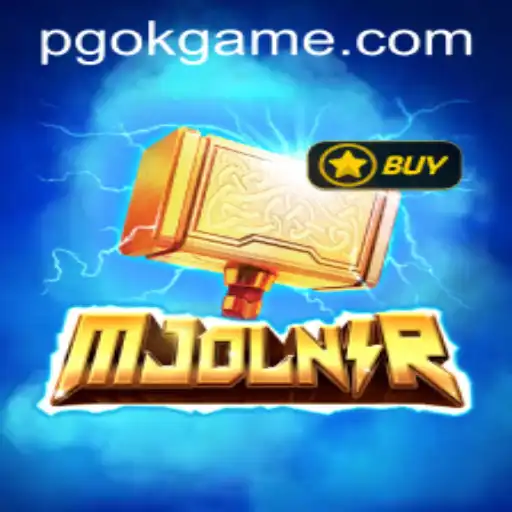
In the ever-evolving landscape of gaming, Mjolnir emerges as a standout experience. This game combines the rich lore of Norse mythology with modern interactive storytelling, creating an enthralling universe for gamers around the world. Whether you are a casual player or a seasoned strategist, Mjolnir offers something for everyone.
The Introduction of Mjolnir
Launched amidst a wave of anticipation, Mjolnir is crafted by a team of developers who are passionate about combining deep narratives with innovative gameplay mechanics. With its release coinciding with the resurgence of interest in mythological themes across various media, the game taps into the timeless allure of gods, legends, and epic battles. As players step into this mythical world, they find themselves aligned with ancient powers and charged with protecting realms against the forces of chaos.
Key to Mjolnir’s appeal is its stunning visual design and dynamic gameplay, elements which draw players into its richly detailed environments. From the crystalline peaks of Asgard to the dense, enigmatic forests of Jotunheim, each setting is meticulously rendered, immersing players in an atmosphere where mythology and reality intertwine.
Understanding PGOK
One of the unique aspects of Mjolnir is the integration of PGOK – a dynamic keyword that stands for Power, Growth, Optimization, and Knowledge. This concept serves as a guiding principle for players, influencing their journey through the game.
Power
Power manifests in two forms: personal prowess and the influence over others. Players must engage in strategic battles, hone their skills, and acquire legendary weapons to assert dominance. Mastery of these elements is essential for ascending in rank and acquiring the respect of allies and foes alike.
Growth
The growth aspect in Mjolnir challenges players to constantly evolve. As they progress, they encounter opportunities to upgrade abilities, develop new skills, and unlock hidden potential. Each decision shapes their character’s path, leading to unique outcomes and personalizing the gaming experience.
Optimization
In the realm of Mjolnir, efficiency is key. Players learn to manage resources wisely, optimizing their strategy to achieve objectives. This involves crafting items, trading, and forming alliances—each decision directly impacting their ability to thrive within the game’s competitive environment.
Knowledge
Knowledge is power in Mjolnir. As players explore, they uncover ancient secrets, learn about the history of the realms, and gain insights into the motivations of different factions. This depth of lore enriches the storytelling, encouraging players to delve deeper into what makes each character and location unique.
The Rules of Engagement
Mjolnir combines both single-player and multiplayer modes, allowing for a diverse range of playstyles. Understanding the rules is crucial for surviving and thriving in its competitive arena. Players initially choose a class, each offering distinct strengths and weaknesses. As they progress, they can switch classes or develop hybrid skills, promoting experimentation and replayability.
To enhance the strategic aspect, Mjolnir introduces a turn-based combat system that requires players to think ahead and anticipate opponent moves. This depth adds layers of complexity, making battles both challenging and rewarding. Furthermore, players must manage inventories, forge weapons, and form alliances – actions that have long-term consequences on their evolution in the game.
One of the innovative features in Mjolnir is the realm-switching ability. Players can traverse multiple realms, each with unique environments and challenges. This feature not only expands the scale of exploration but also introduces cross-realm quests that offer substantial rewards for completion.
Current Dynamics in Gaming Culture
The release of Mjolnir comes at a time when the gaming industry is witnessing a renaissance in narrative-driven games. The emphasis on rich storytelling parallels the rising demand for experiences that are as emotionally engaging as they are visually stimulating. Mjolnir not only meets these demands but also sets a new standard for future titles.
Incorporating elements such as PGOK resonates with a growing trend where players seek more than mere entertainment; they desire challenges that engage their intellect and strategies that entail meaningful progression. As gamers navigate this intricate world, they shape not only their characters but their understanding of leadership, diplomacy, and cultural lore.
This cultural shift highlights the role of games like Mjolnir in expanding the boundaries of virtual interaction. By offering a platform that combines myth with modern-day elements, the game allows players to reflect on contemporary issues through the lens of ancient wisdom, forging connections that transcend the screen.